How Volunteerism Enriches Community Engagement
In recent years, the concept of volunteerism has gained significant traction, reflecting a growing awareness of its importance in fostering community engagement. This article explores how volunteering can enhance connections within communities, typically resulting in more vibrant and cohesive neighborhoods.
Understanding the Basics
At its core, volunteerism involves individuals offering their time and skills to support causes or organizations without financial compensation. According to a recent study by the Corporation for National and Community Service, volunteering can strengthen social ties and increase individual satisfaction. This works because when people participate in activities geared toward helping others, they not only provide valuable support but also experience a sense of belonging and purpose.
"Research indicates that individuals who volunteer report higher levels of happiness and life satisfaction." – National Institute for Health
Practical Applications of Volunteerism
Engaging in volunteer work can take many forms, and understanding different ways to participate can help maximize community involvement. Here are some practical applications:
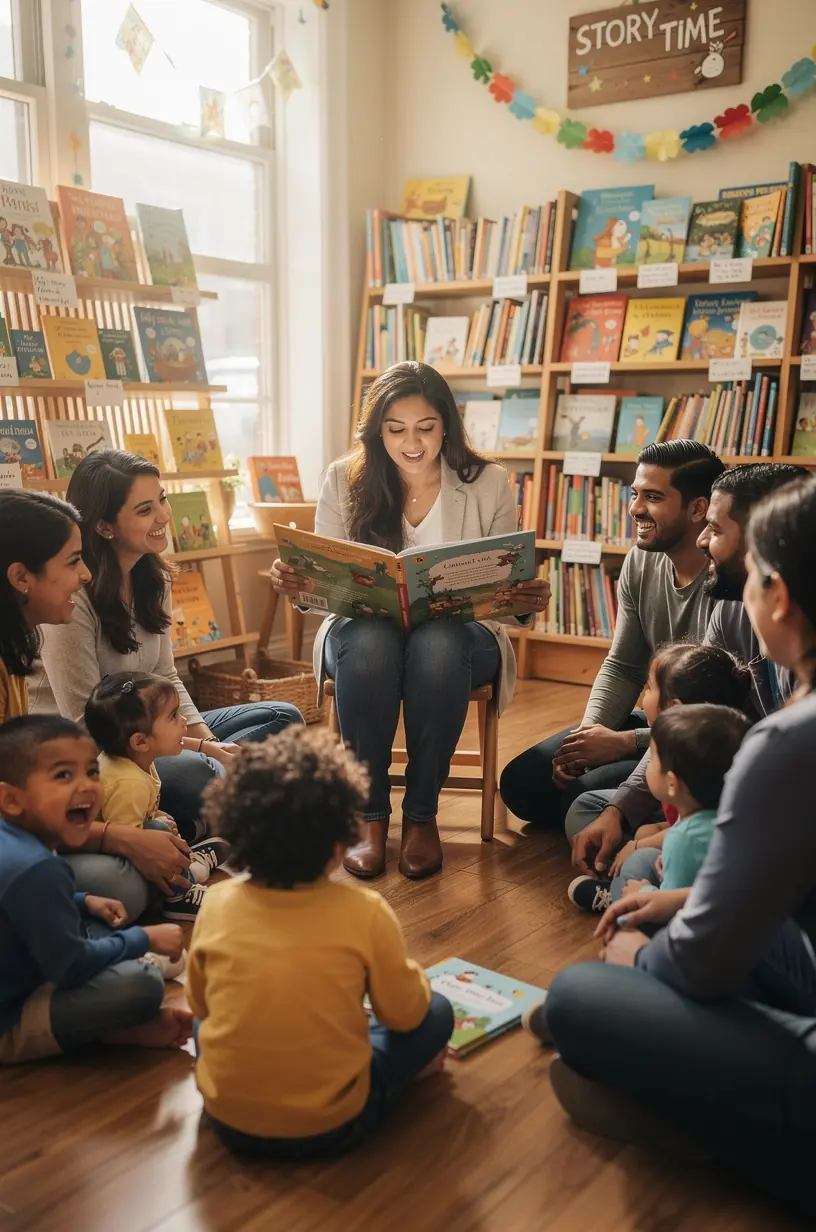
- Local Organizations: Many communities have local nonprofits or civic groups that welcome volunteers. Typically, these organizations provide training and support, making it easier for newcomers to get involved.
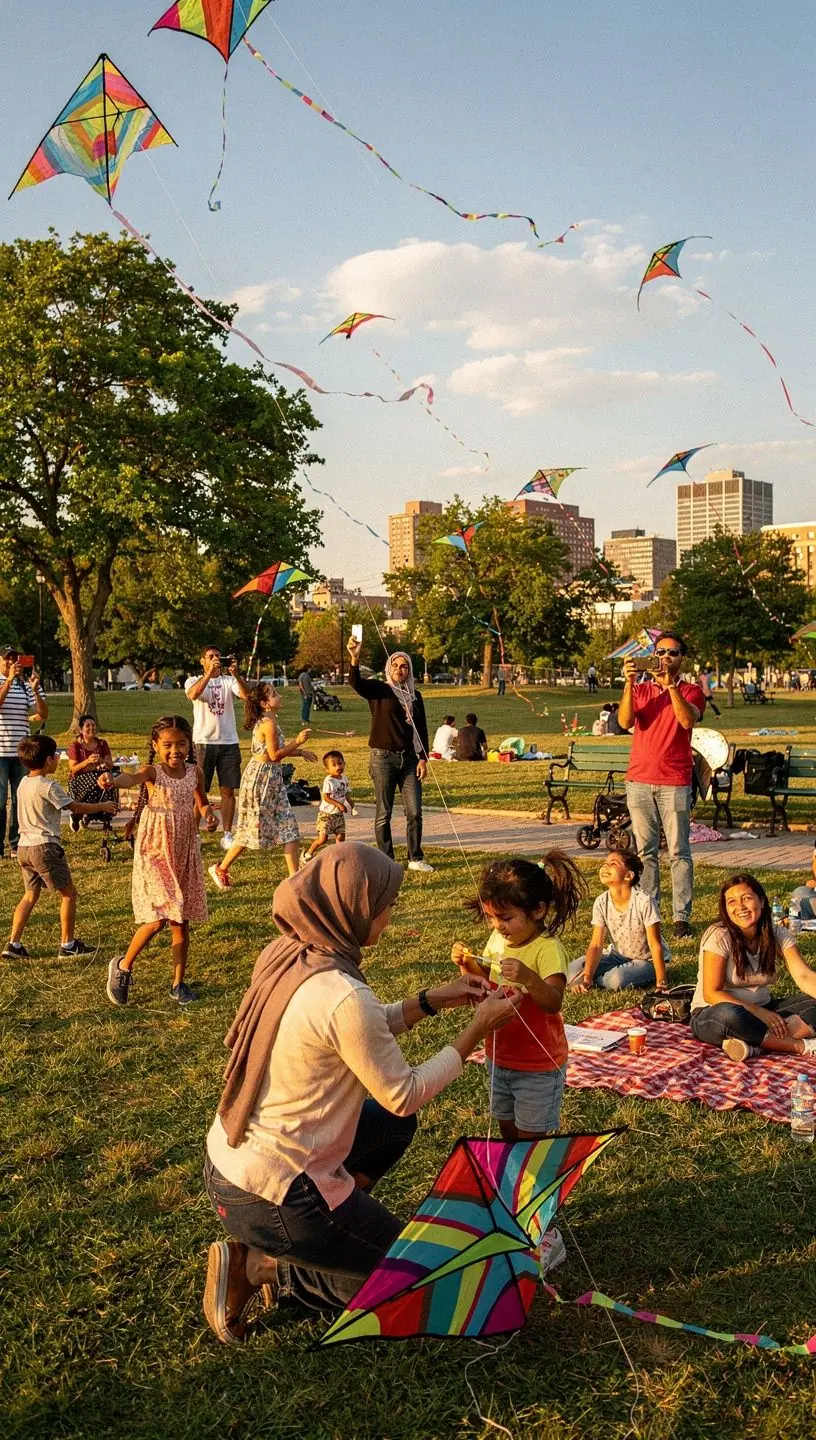
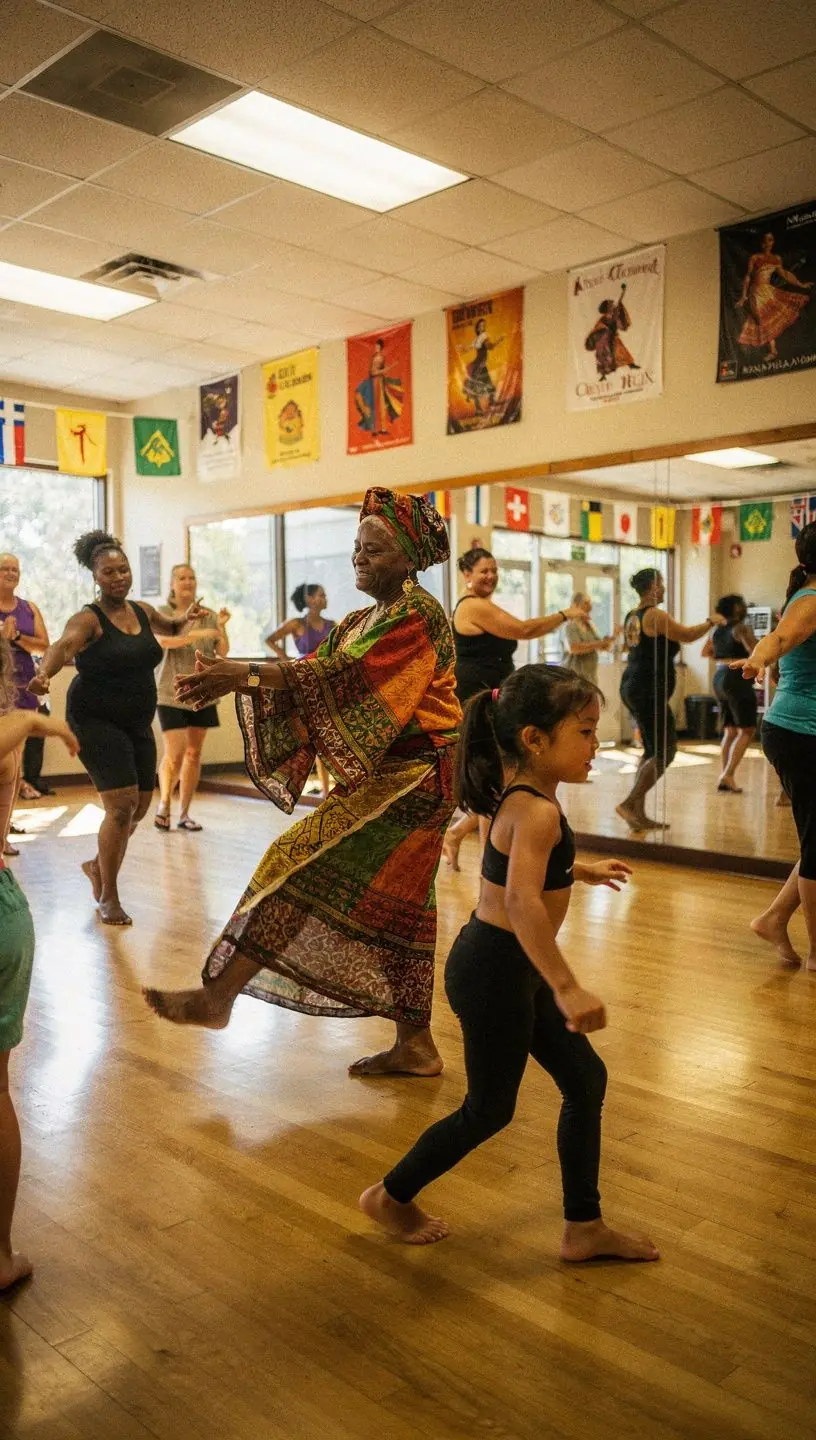
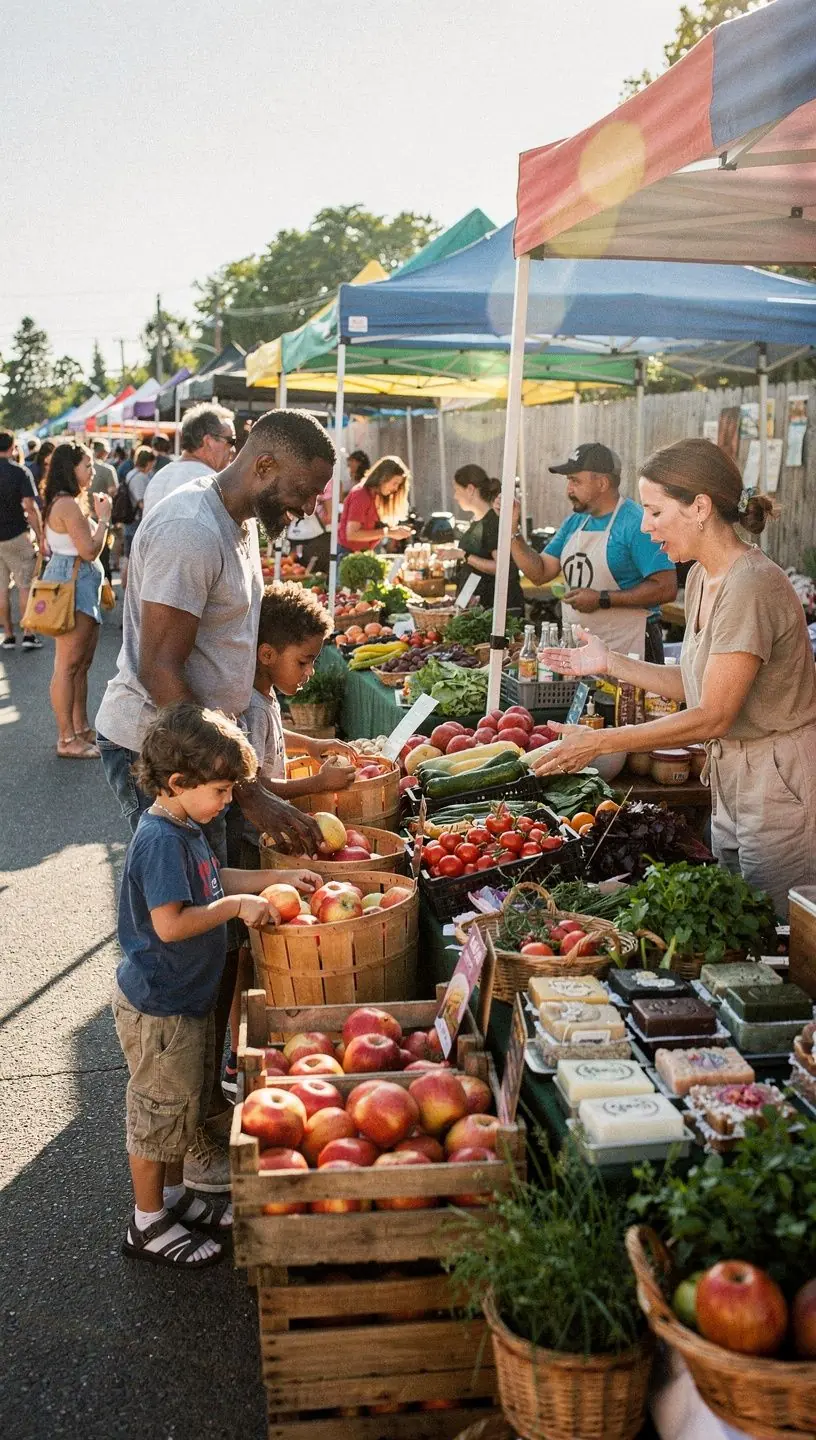
- Event Participation: Attending and assisting at community events, such as festivals or clean-up days, can be a low-commitment way to begin. Many users report that these events often lead to lasting friendships and deeper community ties.
- Skill-Based Volunteering: Offering professional skills, such as marketing or accounting, to nonprofits can help organizations thrive while also providing volunteers with a meaningful way to contribute based on their expertise.
The Benefits of Volunteerism
Volunteerism can yield various benefits, both for the community and the individual. Some of these advantages include:
- Enhanced Social Cohesion: Volunteer activities often bring together diverse groups, fostering mutual understanding and cooperation within the community.
- Personal Growth: Volunteering can help individuals develop new skills or enhance existing ones, which can be beneficial for professional or personal development.
- Increased Civic Engagement: Studies show that individuals who volunteer are more likely to engage in civic activities, such as voting and community advocacy, which can further enrich the democratic process.
Getting Started with Volunteerism
If you're considering volunteering, here are some important tips to help you get started:
- Research local opportunities: Look for organizations that align with your interests or passions.
- Set realistic expectations: Understand that volunteering requires a commitment of time and energy, so choose opportunities that fit your schedule.
- Be open to learning: Many volunteer roles come with a learning curve, so be prepared to adapt and grow.
Conclusion
In summary, volunteerism plays a significant role in enriching community engagement and fostering deeper connections among residents. By participating in volunteer activities, individuals can contribute to the well-being of their communities while also experiencing personal growth and fulfillment. As you consider ways to get involved, remember that every small effort counts and can lead to meaningful change.