Exploring the Benefits of Participatory Art Projects
Participatory art projects have become increasingly popular across the United States, providing individuals with opportunities to engage creatively and collaboratively. This article delves into the benefits of these projects, illustrating how they foster community engagement, personal development, and cultural expression.
Understanding Participatory Art
Participatory art projects are defined as collaborative artistic initiatives where the audience actively engages in the creation process. Research shows that these projects not only enhance artistic expression but also strengthen community bonds. According to a study by the National Endowment for the Arts, communities involved in participatory art projects report higher levels of social cohesion and trust.
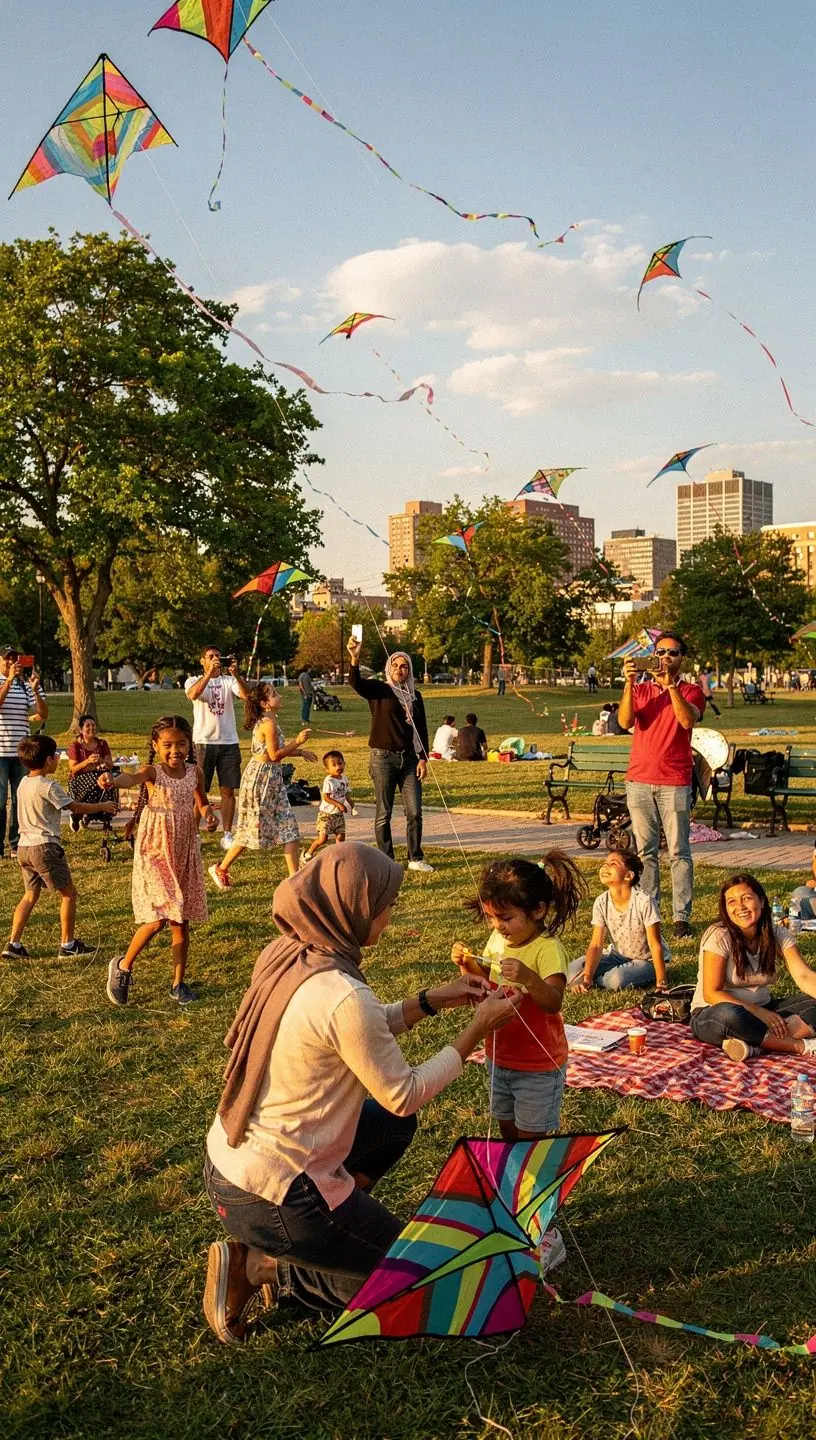
"Participatory art fosters a sense of belonging and collective identity, which is essential in today's fragmented society." - Art Community Expert
Benefits of Participatory Art Projects
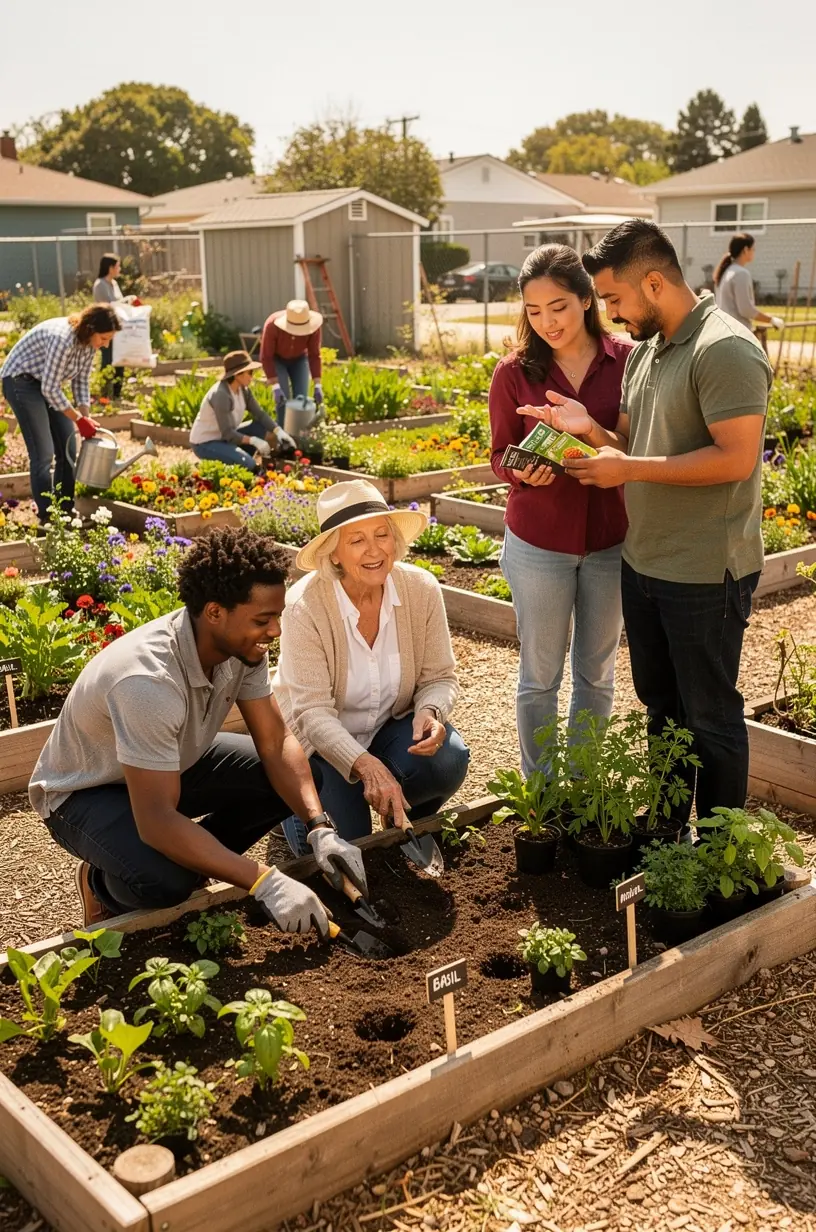
- Community Engagement: These projects often bring together diverse groups, facilitating dialogue and understanding. Many participants report feeling more connected to their community through shared experiences.
- Skill Development: Participating in art projects typically requires individuals to learn new skills, such as teamwork, communication, and artistic techniques. Research indicates that these skills can translate to improved confidence and personal growth.
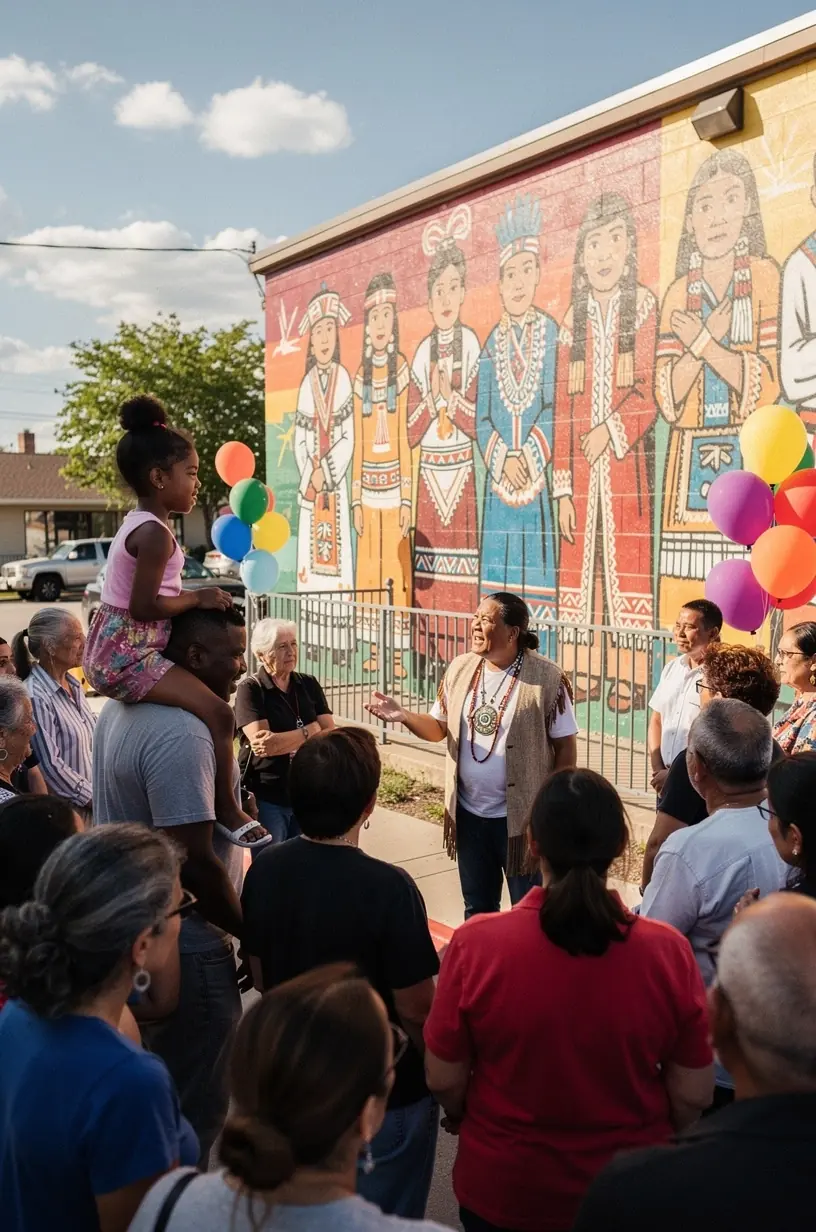
- Cultural Expression: Participatory art allows individuals to express their unique cultural identities. This is particularly important in multicultural communities, where artistic expression can reflect and celebrate diversity.
How Participatory Art Projects Work
The methodology behind participatory art projects often involves a series of workshops, collaborative sessions, and exhibitions. Facilitators guide participants through the process, encouraging them to share their ideas and contribute creatively. Experts recommend that successful projects include clear objectives and flexible frameworks, allowing for organic collaboration.
Challenges and Considerations
While participatory art projects can be incredibly rewarding, they also come with challenges. Many projects require a significant time commitment, often spanning several weeks to months. Participants may face a learning curve, especially if they are new to artistic practices. Furthermore, it’s important to recognize that not all individuals may feel comfortable in a group setting, which can hinder participation.
Conclusion
Participatory art projects are a powerful vehicle for community engagement, personal development, and cultural expression. By fostering collaboration and creativity, these initiatives can lead to meaningful connections and a greater understanding of diverse perspectives. If you’re considering participating in a project, be prepared for the commitment it requires, and remember that the journey of creation can be just as valuable as the final product.
Learn More