Understanding the Dynamics of Cultural Heritage Events
Cultural heritage events are vital for preserving traditions and fostering community engagement. This article delves into the dynamics that make these events successful and impactful, emphasizing the importance of participation and cultural exchange.
Understanding the Basics
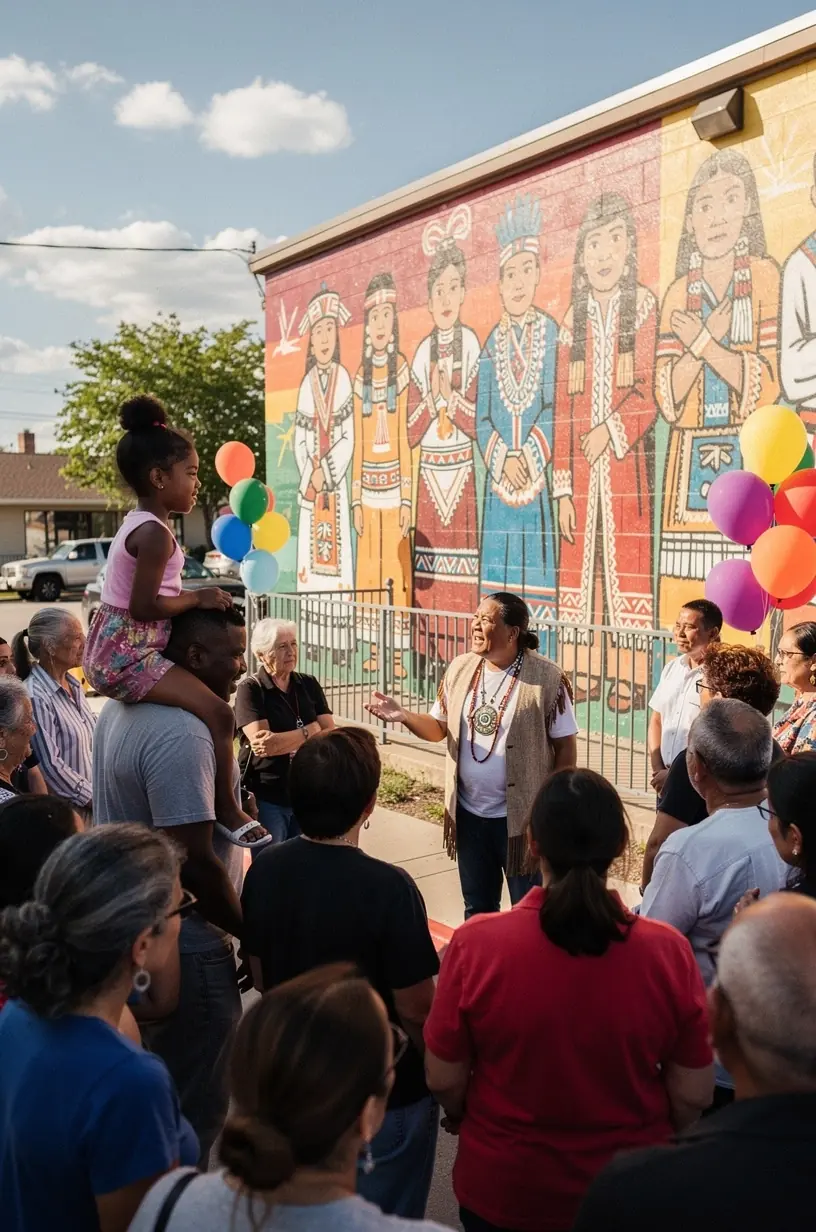
Cultural heritage events typically serve as platforms for communities to celebrate and share their unique histories and traditions. According to research by the National Trust for Historic Preservation, these events can enhance community pride and cohesion. Experts in the field recommend that organizers focus on inclusivity and accessibility to maximize participation.
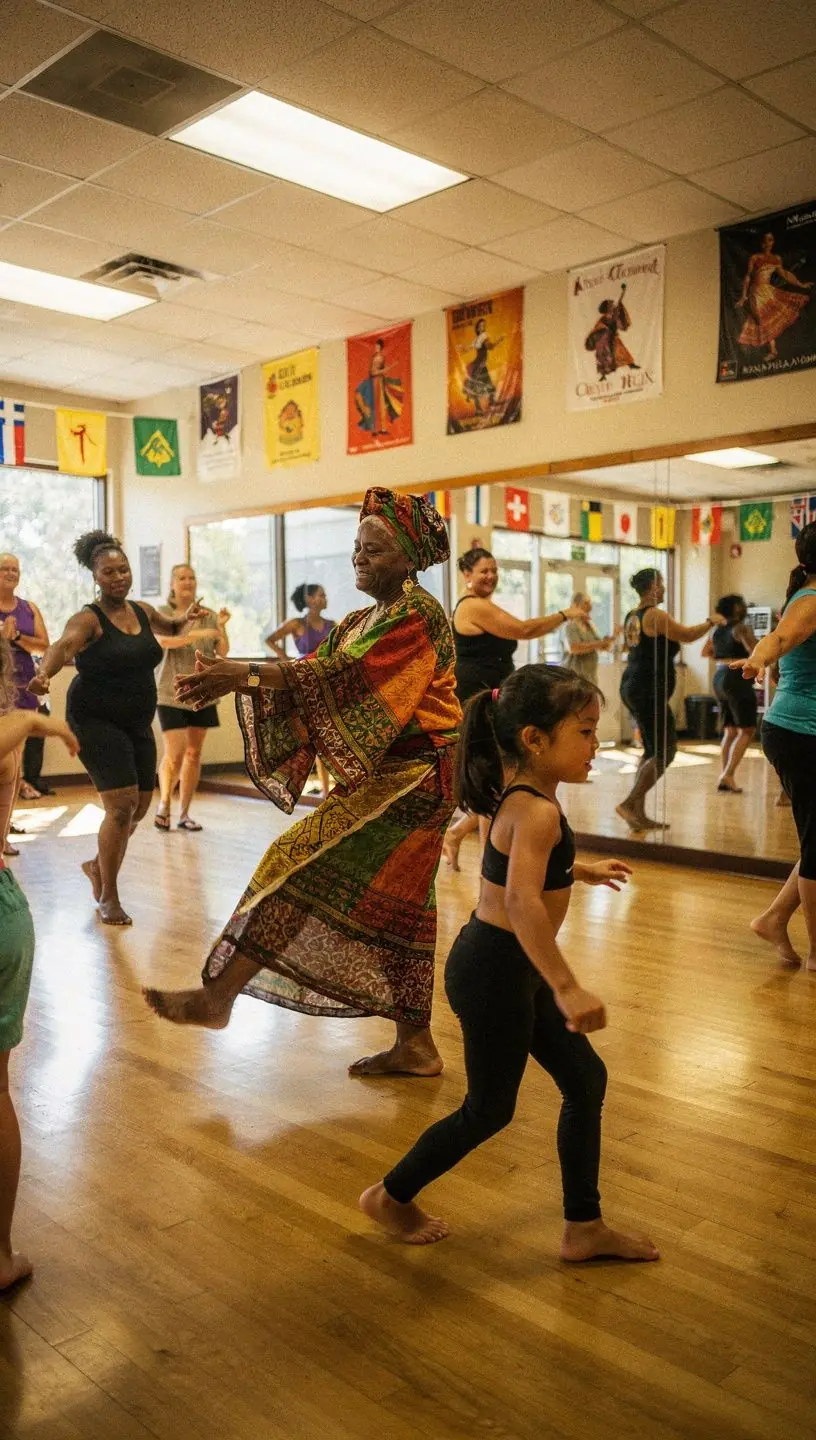
"Cultural heritage events can act as a catalyst for social connections, encouraging individuals from diverse backgrounds to come together." - Cultural Engagement Research Institute
The Role of Community Participation
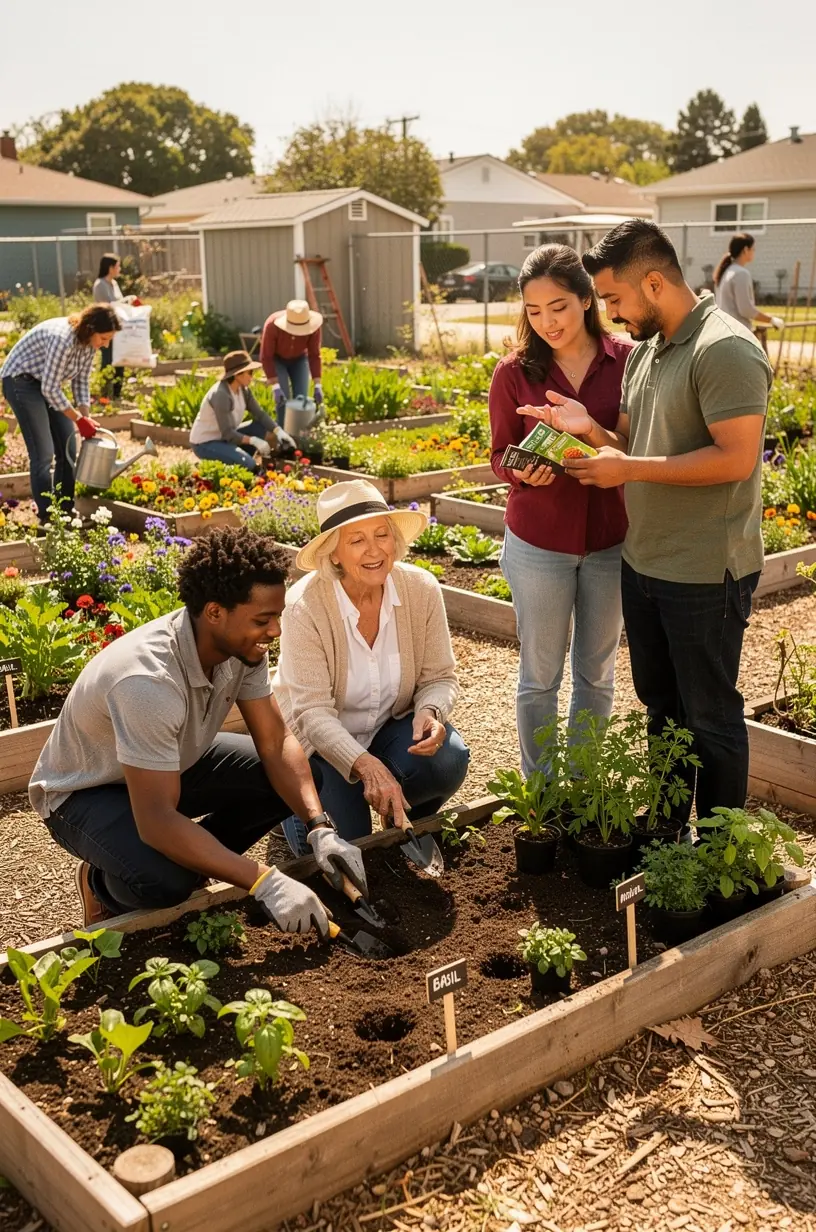
Participation is often the cornerstone of successful cultural heritage events. Many users report that when community members are actively involved in the planning and execution of events, it leads to higher engagement levels and a deeper appreciation of cultural nuances.
- Involvement in Planning: Community input during the planning phase can help ensure the event reflects the local culture accurately. This often requires a commitment of time and collaboration.
- Volunteer Opportunities: Welcoming volunteers can enhance the event’s reach and effectiveness. However, it typically requires organized training and commitment from those involved.
- Feedback Mechanisms: Implementing channels for community feedback post-event can provide valuable insights for future improvements and ensure that participants feel their voices are heard.
Best Practices for Organizing Cultural Heritage Events
To effectively organize a cultural heritage event, following industry best practices can be beneficial. Research indicates that comprehensive planning and community engagement can significantly improve the event's impact. Here are some practical approaches:
- Define Objectives: Clearly outline what the event aims to achieve. This will guide all planning efforts and help maintain focus.
- Engage Local Leaders: Establishing partnerships with local cultural leaders can lend credibility and encourage broader participation.
- Promote Inclusivity: Ensure that the event is accessible to all community members, regardless of background or ability. Accessibility considerations can include physical access and language translation services.
Challenges and Considerations
While cultural heritage events are impactful, they are not without challenges. Organizers typically face limitations such as budget constraints, time commitments, and the need for strong volunteer support. Acknowledging these factors is crucial:
- Events may require significant financial investment to promote effectively and cover logistical needs.
- The planning process typically spans several months and involves coordinating various stakeholders.
- Without a dedicated team of volunteers, sustaining engagement can be difficult, particularly in larger communities.
Conclusion
Cultural heritage events play a vital role in celebrating diversity and fostering community spirit. By understanding the dynamics involved, including the importance of participation and adherence to best practices, organizers can create more meaningful experiences. While challenges exist, the rewards of successfully engaging communities in these events can be profound and lasting.
Learn More