Creating Inclusive Spaces for Artistic Expression
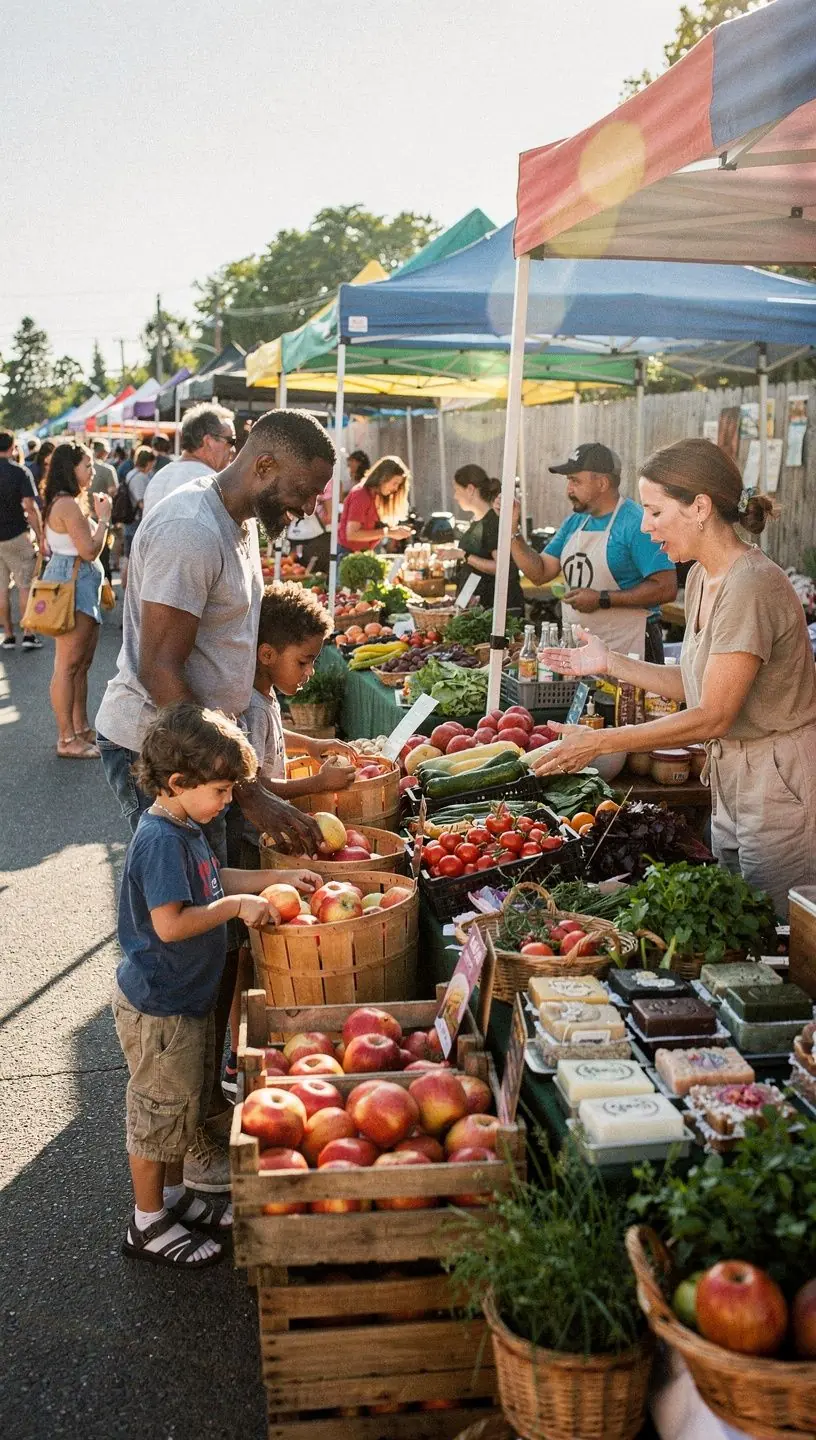
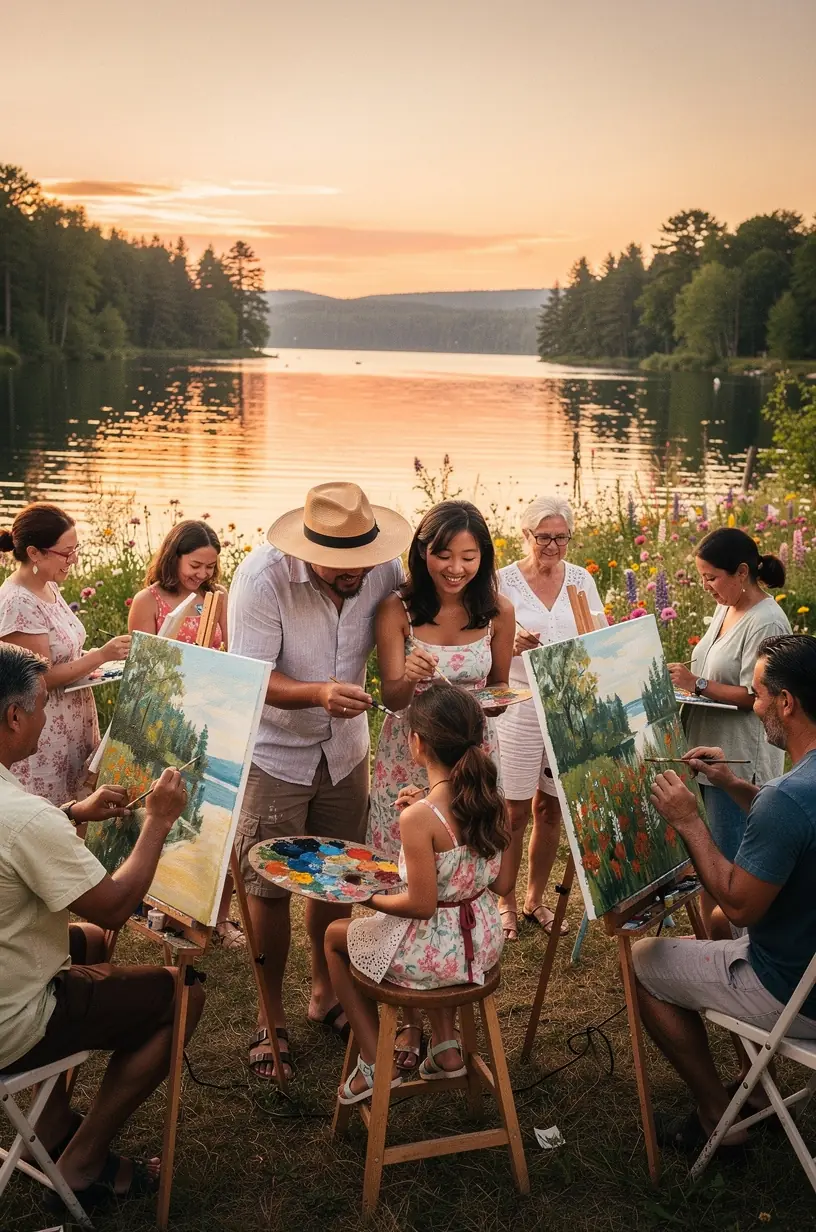
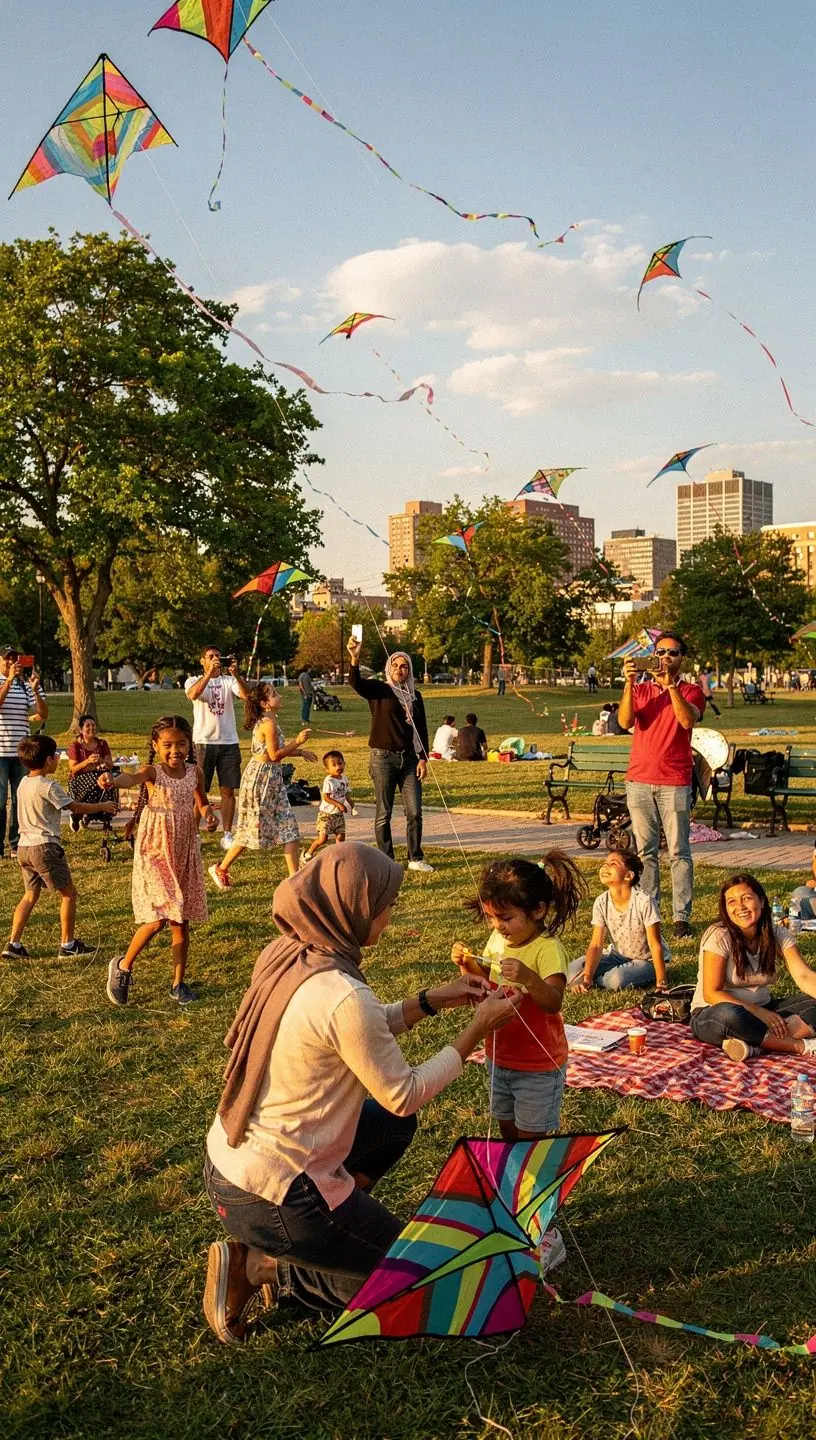
In a world where artistic expression plays a crucial role in community engagement, the need for inclusive spaces has never been more critical. This article explores how to foster environments that encourage creativity while accommodating diverse perspectives and backgrounds.
Understanding the Importance of Inclusivity
Creating inclusive spaces for artistic expression is essential because they allow individuals from various backgrounds to share their stories and experiences. According to research conducted by the National Endowment for the Arts, communities that prioritize inclusivity in artistic endeavors often see higher levels of participation and engagement, resulting in a richer cultural landscape.
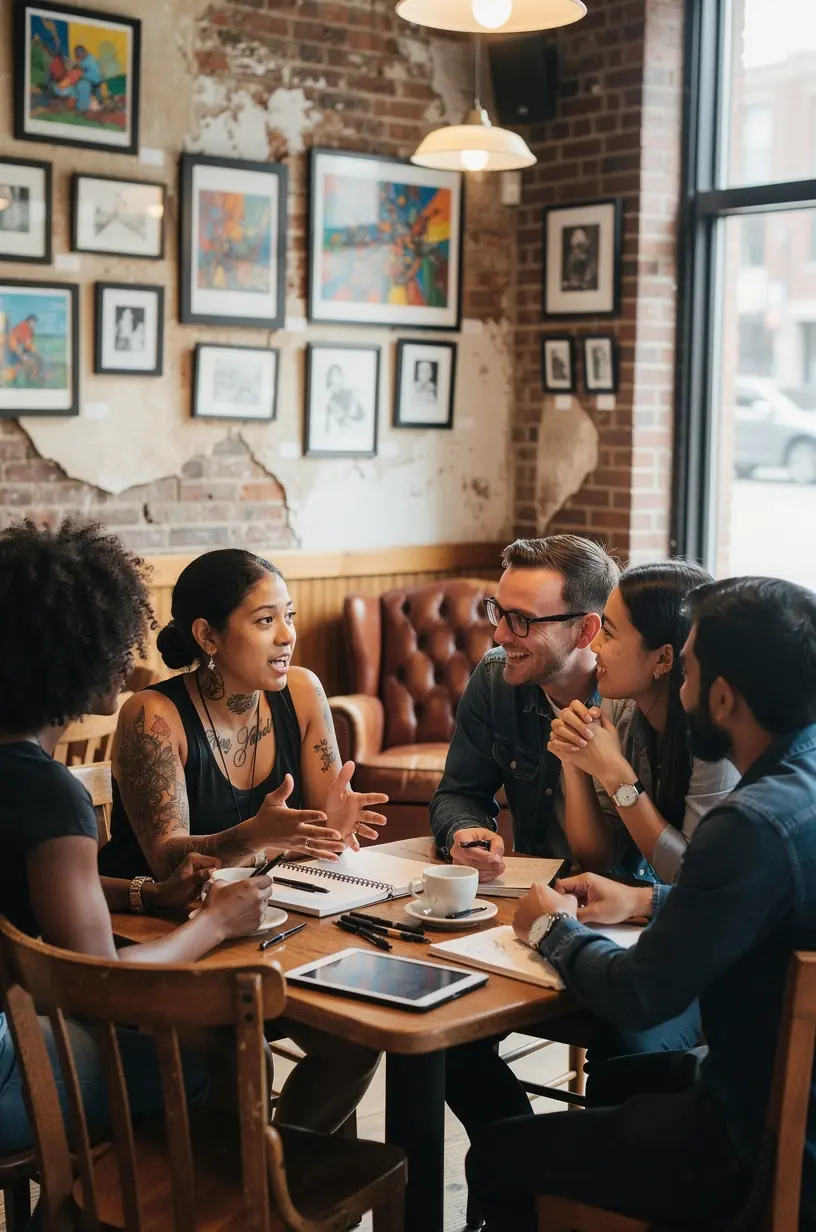
"Inclusive artistic spaces empower individuals, providing them with a platform to express their unique identities and experiences." - Arts and Culture Expert
Key Strategies for Fostering Inclusivity
In order to create effective inclusive spaces, community organizers and event coordinators can implement several practical strategies:
- Engage Diverse Voices: Actively seek out and involve individuals from underrepresented communities in the planning process. This helps to ensure that their needs and perspectives are considered, which can lead to more meaningful engagement.
- Provide Accessible Resources: Ensure that all materials, venues, and activities are accessible to people with disabilities. This often involves consulting with accessibility experts and incorporating their recommendations into event planning.
- Encourage Collaboration: Foster partnerships between different groups and organizations to create varied programming that reflects the diversity of the community. Collaborative efforts can often lead to innovative artistic expression and shared learning experiences.
Challenges and Considerations
While fostering inclusivity is crucial, it is essential to acknowledge potential challenges. Implementing these strategies can require significant time and effort. In many cases, building relationships with diverse community members can be a gradual process that typically takes several months. It is important to remain patient and committed throughout this journey.
Conclusion
In conclusion, creating inclusive spaces for artistic expression within communities is a valuable endeavor that can enhance cultural engagement and foster deeper connections among participants. By actively seeking diverse voices, ensuring accessibility, and encouraging collaboration, event organizers can help cultivate an environment where everyone feels welcome to express themselves artistically. As we work towards these goals, we must remain aware of the challenges involved and be prepared to invest the necessary time and effort to achieve meaningful results.