
Understanding the Role of Community Gardens
Community gardens have emerged as vital spaces for urban engagement, food production, and social interaction. This article explores the multifaceted benefits of community gardens, addressing their role in fostering community ties, promoting sustainability, and enhancing personal well-being.
Understanding the Basics
Community gardens are typically shared plots of land where individuals or groups cultivate plants, ranging from flowers to vegetables. According to a study by the American Community Gardening Association, these gardens often increase community engagement and support local ecosystems. The principle behind these gardens is simple: they provide a communal space where people can connect with nature and each other while contributing to local food security.
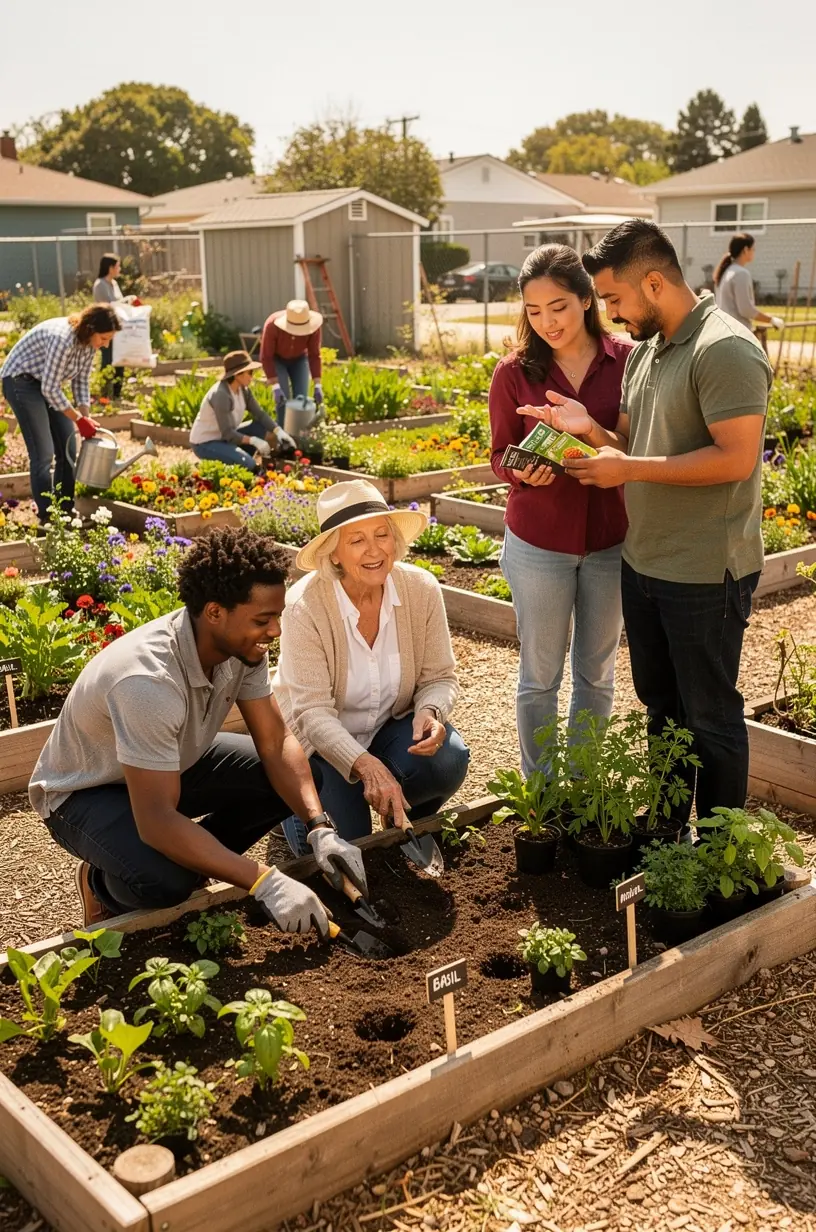
"Community gardens are not just about growing food; they cultivate relationships and strengthen neighborhoods." - Urban Agriculture Expert
Benefits of Community Gardens
- Fostering Community Engagement: Many studies indicate that participating in community gardening can enhance social ties. Residents often report that these gardens become social hubs, encouraging collaboration and interaction.
- Promoting Sustainability: Community gardens can significantly reduce food miles, as residents grow their own produce. Research has shown that local food systems can lower the carbon footprint associated with transportation, making community gardens an eco-friendly option.
- Improving Mental Health: Engaging in gardening activities has been linked to reduced stress and improved mental well-being. Experts recommend spending time in green spaces, suggesting that community gardens can be effective environments for mental health recovery.
How to Start a Community Garden
Starting a community garden typically involves several key steps:
- Gather a group: Form a committee of interested community members who are willing to dedicate time and resources.
- Choose a location: Identify a suitable plot of land, considering factors like sunlight, accessibility, and soil quality. In many cases, public land or vacant lots are ideal.
- Plan the garden layout: Decide on the types of plants to grow, keeping in mind the preferences of the community and the seasonality of crops.
- Establish rules: Create guidelines regarding maintenance, responsibilities, and sharing of produce to ensure that all participants contribute equitably.
- Engage the community: Promote the garden through local events and social media to encourage participation and support.
Establishing a community garden may require months of planning and collaboration. In most cases, it typically takes 2-4 months from initial planning to have a functioning garden ready for planting.
Conclusion
Community gardens play a crucial role in enhancing urban landscapes by fostering engagement, promoting sustainability, and improving mental health. While starting a community garden involves effort and commitment, the potential benefits for individuals and communities are significant. By understanding the practices and principles behind community gardening, residents can create spaces that contribute to a healthier, more connected community.
Learn More